The Skyward Sprint
By The Lead Archivist | Case File 04
In the late 1920s, the skyline of New York City became the battleground for a ruthless display of corporate ego. The race to build the world’s tallest building pitted former General Motors executive John J. Raskob against automotive titan Walter Chrysler. The result was the Empire State Building, erected in a terrifyingly swift 410 days, fueled by secrets, spite, and a bizarre scheme involving dirigibles.
Walter Chrysler was determined that his Chrysler Building would take the crown. He kept his plans shrouded in secrecy, famously constructing a 185-foot spire inside the building's fire shaft and hoisting it into place at the last minute in October 1929, completely blind-siding his rivals.
Raskob, infuriated by Chrysler's maneuver, demanded his architect, William Lamb, add height to the Empire State Building plans. But they couldn't just add more floors without ruining the structural integrity. Raskob's solution was as dangerous as it was absurd: a 200-foot mooring mast for zeppelins.
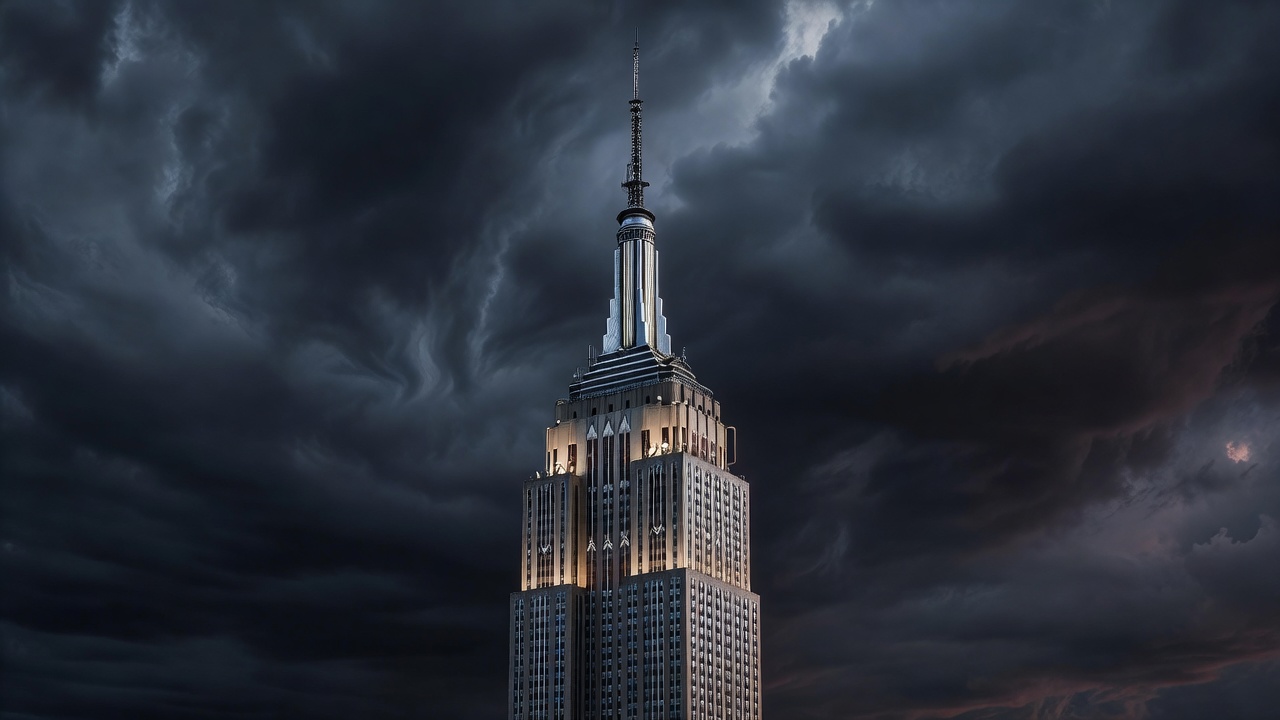
The concept was that transatlantic airships could dock at the top of the Empire State Building, allowing passengers to disembark directly onto the 86th floor in the heart of Manhattan. The press loved it. The reality, however, was a logistical nightmare and a deadly hazard. The updrafts generated by the building itself made precise docking nearly impossible. Furthermore, tying a massive, highly flammable, gas-filled blimp to a skyscraper in the middle of a densely populated city was a recipe for catastrophe.
Despite warnings from aeronautical experts, Raskob pushed the design through just to secure the height record. A few test moorings were attempted. In one incident, an airship was nearly flipped vertical by the winds, terrifying pedestrians below and nearly causing the airship's tail to smash into the building. The docking idea was quietly abandoned shortly after, the mast repurposed for broadcasting antennas.
The Empire State Building won the race, standing at 1,250 feet. Yet, it opened its doors in 1931 during the depths of the Great Depression. With much of its office space unrented, it was widely mocked as the "Empty State Building." It took decades, and a starring role in King Kong, for the building to outgrow the petty rivalry of its conception and become an undeniable icon.