Budget Overruns and Exile
By The Lead Archivist | Case File 03
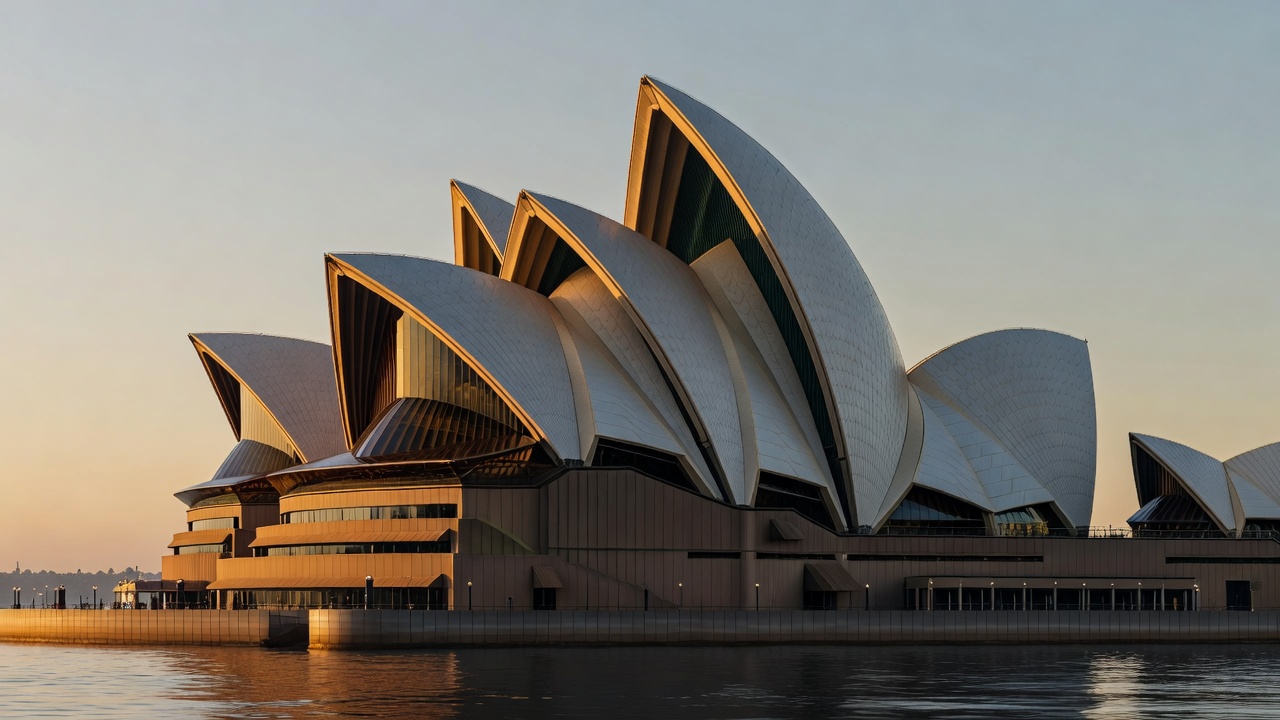
The Sydney Opera House is an architectural miracle, a cluster of gleaming white sails floating on Bennelong Point. Yet, the story of its creation is a masterclass in political interference, engineering nightmares, and professional betrayal. It is a building that destroyed the career of the very man who conceived it.
In 1957, an unknown Danish architect named Jørn Utzon won an international design competition with a rough, visionary sketch. His design was revolutionary, but it lacked one crucial detail: how to actually build the massive, free-form concrete shells he had drawn. The engineering firm Ove Arup & Partners spent years, and pioneered the use of early computers, just to calculate the structural math.
As the construction dragged on, the budget spiraled out of control. Originally estimated at $7 million AUD and slated for completion in 1963, the project was plagued by delays. The government had rushed the laying of the foundations before the design of the roof was finished, meaning the initial podium had to be dynamited and rebuilt to support the final weight of the shells.
By 1965, the political climate in New South Wales shifted. A new conservative government took power, led by Premier Robert Askin, with Davis Hughes appointed as Minister for Public Works. Hughes, a pragmatist who viewed Utzon as an impractical dreamer wasting taxpayer money, sought to rein in the architect. Hughes began withholding payments to Utzon and questioning his every decision, particularly regarding the complex plywood interiors Utzon was developing.
The tension became unbearable. In February 1966, backed into a corner and unable to pay his staff, Utzon handed in a letter of resignation, expecting it would force the government to yield. Instead, Hughes immediately accepted it. Utzon was locked out of his own masterpiece.
Despite public protests and petitions from prominent architects worldwide, Utzon left Australia in disgust, vowing never to return. The government appointed a team of local architects to finish the interiors, drastically altering Utzon's original acoustic and spatial designs to save money and time. The building finally opened in 1973, ten years late and costing $102 million—more than fourteen times the original estimate.
Jørn Utzon never saw the completed Opera House in person. While he was eventually awarded the Pritzker Prize and reconciled with the Sydney authorities in his twilight years, the building remains a testament to the tragic divide between visionary art and bureaucratic reality.