Obsession in Marble
By The Lead Archivist | Case File 02
The Taj Mahal is universally celebrated as a monument to eternal love. Commissioned by the Mughal Emperor Shah Jahan to house the tomb of his favorite wife, Mumtaz Mahal, its pristine white marble seems to radiate pure devotion. But delve into the historical archives, and a darker narrative emerges—a story of pathological obsession, staggering economic strain, and a dynasty torn apart.
When Mumtaz Mahal died in 1631 while giving birth to their fourteenth child, Shah Jahan was reportedly plunged into a grief so profound that his hair turned white overnight. His mourning quickly mutated into an architectural frenzy. He envisioned a mausoleum that would represent heaven on earth, an undertaking that would demand unprecedented resources.
To realize this vision, Shah Jahan drained the Mughal treasury. Materials were sourced from across Asia: translucent white marble from Makrana, jade and crystal from China, turquoise from Tibet, lapis lazuli from Afghanistan, and sapphires from Sri Lanka. Over 1,000 elephants were utilized for transport. The immense cost of the project placed a crippling burden on the empire's economy, leading to widespread famine in the provinces while the capital focused solely on the monument's construction.
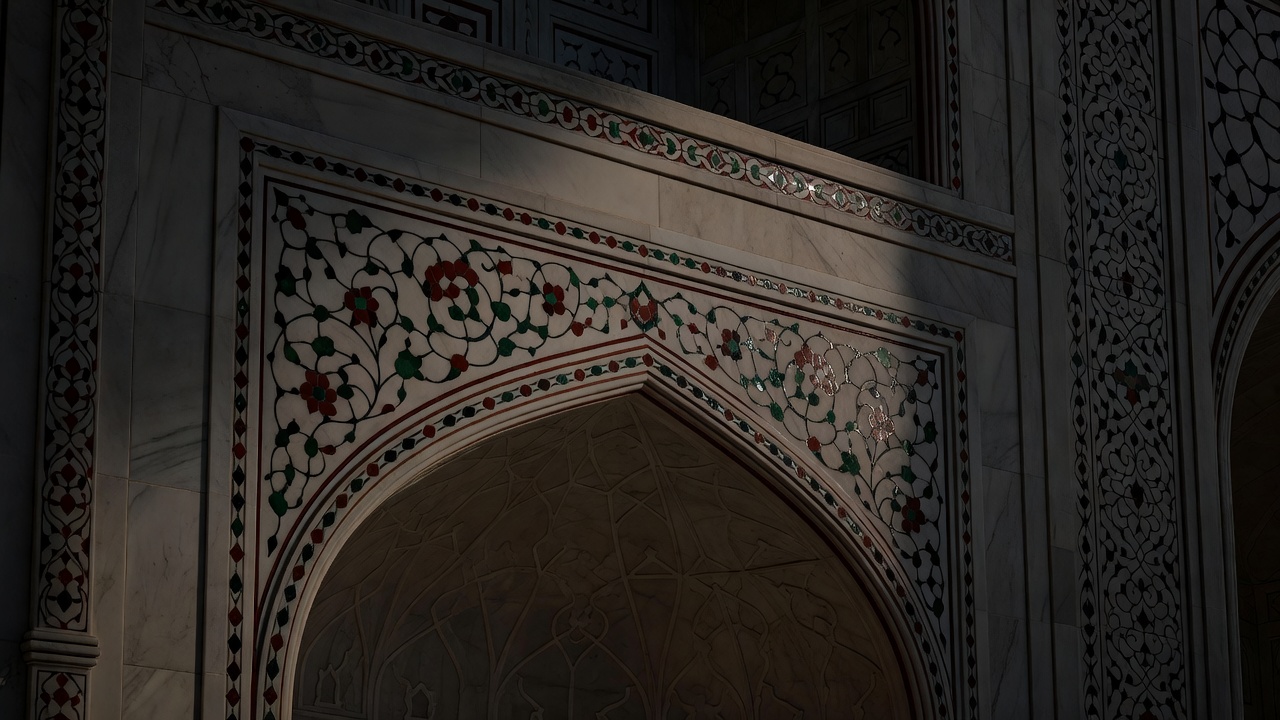
Then there are the rumors. The most enduring myth surrounding the Taj Mahal is that Shah Jahan ordered the hands of the lead architects and craftsmen to be amputated, and their eyes gouged out, ensuring they could never build anything of comparable beauty again. While historians have found no documented evidence to support this grisly legend, the fact that the myth persists speaks to the aura of tyranny that surrounded the Emperor's obsessive project.
The conflict wasn't just economic; it was deeply familial. Shah Jahan's obsession alienated his children. As the Emperor fell ill, a brutal war of succession broke out among his sons. The victor, Aurangzeb, deposed his father and imprisoned him in the Agra Fort. For the rest of his life, Shah Jahan was confined to a tower, permitted only to gaze out of a window at the distant silhouette of the Taj Mahal—the very building that had consumed his reign and cost him his empire.
Today, the immaculate marble hides the chaos of its creation. The Taj Mahal stands not just as a symbol of love, but as a colossal tombstone for a fractured dynasty, built on the edge of ruin.